
Views: 0 Author: Site Editor Publish Time: 2026-09-08 Origin: Site


In industrial ceramic manufacturing, moving a product from the glazing line to the final firing stage is a highly delicate operation. The factory floor is loud and vibrating with activity. This specific transitional zone, however, requires absolute mechanical precision. A slight vibration on a conveyor or a fleeting touch from a worker's glove easily ruins a batch. These minor impacts result in smudged finishes or invisible micro-cracks. Such catastrophic defects usually remain hidden until the product exits the extreme heat of the final bake.
Plant managers frequently dedicate massive capital to raw material mills or the main thermal chambers. Yet, the physical gap between glaze application and kiln entry is where product yield is most vulnerable. This intermediate stage demands strict environmental control alongside hyper-precise handling. By deploying specialized equipment designed for this critical transition, manufacturers can drastically reduce scrap rates and lock in flawless surface finishes.
Glaze Drying is Mandatory: Specialized drying equipment immediately removes surface moisture after glazing. This prevents blistering during the final bake.
Automation Eradicates Handling Defects: Integrating Automated Guided Vehicles and robotic conveyor systems safely transports freshly coated wares. This completely removes the risk of human error.
Precision Loading Maximizes Yield: Automated setting machines ensure exact spacing for convective airflow. Proper drafting dictates success or failure in complex spatial arrangements.
The Thermal Bridge: Dedicated pre-heating machinery prepares ceramics for extreme temperatures. This step significantly mitigates thermal shock and wasted thermal energy.
For industrial decision-makers, minimizing waste and maximizing first-pass yield are the primary engines of profitability. Unfortunately, the production phase immediately following the glaze booth is frequently where unnoticed variables introduce fatal flaws. From an operational standpoint, this is the exact moment where greenware is most sensitive.
Freshly applied ceramic glaze is essentially a wet suspension of glass-forming minerals, fluxes, and colorants resting on a porous clay body. Before reaching vitrification temperatures, this layer is incredibly susceptible to physical damage. Field experience dictates that manual handling of wet greenware frequently leads to surface contamination. A simple thumbprint from an operator, settling dust particles, or a slight abrasion against a transit rack disrupts the uniform thickness of the coating.
Sudden mechanical shocks during transit cause even deeper issues. A rigid conveyor belt abruptly stopping can induce micro-cracks in the underlying bisque. These structural defects remain entirely invisible to the naked eye until the product exits the thermal chamber. The resulting financial blow is twofold. The facility suffers a total loss of raw materials and wastes costly thermal energy firing a piece destined for the scrap bin.
Moving beyond outdated manual transit shifts the production line from a highly variable process to a rigidly controlled system. Automated transit belts, inline dryers, and robotic loaders eliminate the primary variables that trigger defects. By removing human contact entirely and stabilizing the glaze chemistry, manufacturing plants observe an immediate decrease in rejection rates. Specialized equipment ensures every piece is physically intact and thermally primed.
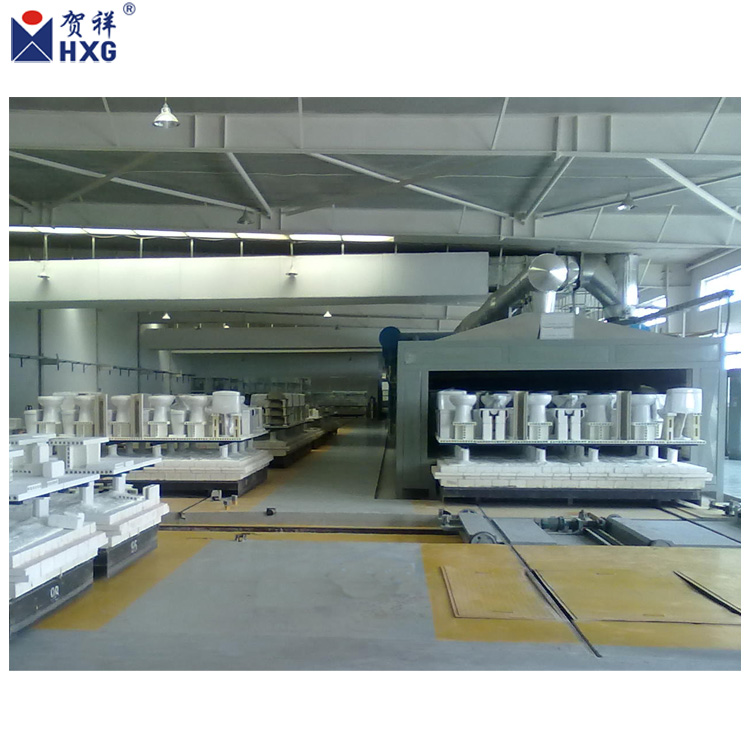
Immediately following the liquid application, the product must undergo a controlled dehydration process. The primary objective is to evaporate the physical water content from the suspension. This must happen without causing the underlying clay body to shrink too rapidly, which inevitably leads to flaking.
Industrial facilities typically employ two primary types of inline drying systems to tackle this challenge. These are infrared radiation modules and convection hot air dryers.
Infrared systems utilize electromagnetic radiation to heat the surface of the ceramic directly. This method proves highly efficient for thin layers. Radiant waves penetrate the wet coating and force rapid water evaporation from the inside out. Consequently, this prevents the formation of a dry skin over the wet interior. Trapped moisture is a primary cause of firing defects. Hot air dryers, conversely, rely on controlled convection. Calibrated fans circulate low-humidity, heated air across the surface of the wares as they glide along a conveyor. Engineers often deploy this solution for complex geometric shapes like toilets or deep basins, where infrared waves might fail to reach shadowed crevices.
Achieving the precise moisture threshold is a critical prerequisite before the product is transferred to the Firing Machine. If excess water remains trapped, the rapid temperature escalation in the pre-heating zone causes that water to boil. The resulting steam violently forces its way through the surface. This causes permanent defects known as pinholing or blistering. Advanced drying modules now utilize continuous moisture sensors to adjust heat output in real-time, ensuring optimal readiness for the kiln.
Once the finish is stabilized, the ceramics must physically move to the loading area. Because the product remains fragile, the transit system must prioritize stability and flawless timing over sheer speed.
Standard factory conveyors are too rigid for freshly coated ceramics. Dedicated handling systems utilize shock-absorbing materials like polyurethane-coated rollers and specialized modular belts. These systems are engineered with variable frequency drives that allow for incredibly smooth acceleration and deceleration. For continuous tile production lines, synchronized belts prevent any micro-collisions between pieces. For heavier items, the conveyor geometry is custom-built to support specific weight distributions, isolating the product from track vibrations.
The integration of Automated Guided Vehicles and robotic arms has fundamentally revolutionized the factory floor. Heavy, cumbersome items like industrial sinks pose severe ergonomic risks to workers and carry a high probability of transit damage. Today, automated vehicles navigate using LIDAR guidance. They quietly transport pallets of wares from the drying zone to the thermal processing area with zero mechanical shock. At the loading stations, multi-axis robotic arms equipped with soft-grip pneumatic effectors take over. Operating with sub-millimeter precision, these robots lift massive items without ever making contact with the sensitive coated surfaces.
Before any firing begins, items must be meticulously organized onto kiln cars. This process is known as setting. It dictates exactly how convective heat will interact with the products. Poor setting invariably leads to uneven baking, cold spots, and warped inventory.
High-capacity plants have largely abandoned manual loading in favor of automated setting machines. Programmers supply these robotic systems with complex spatial algorithms to maximize the efficiency of each car. The machinery carefully places items onto refractory furniture, ensuring absolute clearance between pieces so they do not fuse. Precision is paramount here. Robotic loaders must account for the physical shrinkage that occurs during vitrification and leave exact margins.
Loading bulky, hollow items presents unique engineering hurdles. Unlike flat tiles, sanitary products consist of massive, irregular shapes. Automated loading software calculates the optimal stacking geometry specifically for a Sanitary Ware Kiln. This ensures there is adequate spacing for turbulent airflow. If items are packed too densely, heat cannot penetrate the interior cavities of toilets and basins. Proper drafting prevents severe temperature differentials across a single piece, which is the primary culprit behind cooling cracks.
The transition from the ambient temperature of the factory floor to extreme heat is a highly volatile period. Specialized gateway equipment is required to manage this thermal bridge safely.
Rather than thrusting cold ceramics directly into a high-heat environment, an industrial Firing Machine functions as the critical entry management system. It introduces the loaded cars into a highly controlled pre-heating zone. By regulating the initial temperature ramp-up, it ensures that remaining atmospheric moisture evaporates slowly. Chemical water bonded within the clay molecules releases without rupturing the structure.
This equipment manages air pressure and exhaust drafts at the entrance, preventing cold air from rushing in when doors open. By meticulously controlling the initial thermal expansion, the machinery guarantees that the wares are physically stable before they encounter peak temperatures. Modern pre-heating systems utilize PLC control systems to strictly monitor the temperature curve up to the sensitive quartz inversion phase at 573 degrees Celsius.
The ultimate destination, after passing through precise drying and pre-heating stages, is the main thermal chamber. The specific technology utilized here depends heavily on production volume, product geometry, and fuel efficiency requirements. To make an informed engineering decision, plant managers must evaluate equipment based on concrete operational parameters.
Equipment Type | Ideal Application | Operating Temp Range | Core Advantage | Typical Width Specs |
|---|---|---|---|---|
Continuous Tunnel Kiln | High-volume tiles, standard sanitary ware | 1180°C - 1350°C | Maximum fuel efficiency, 24/7 continuous output | 2.5m - 4.0m |
Shuttle Kiln | Custom batches, oversized industrial ceramics | Up to 1400°C | High flexibility, adjustable firing curves per batch | Customized per car |
Roller Hearth Kiln | Flatware, porcelain tiles, tableware | 1150°C - 1250°C | Rapid firing cycles, automated inline transit | 1.5m - 3.2m |
For continuous manufacturing, the Tunnel Kiln remains the undisputed industry standard. It operates as a massive thermal corridor where a train of loaded cars is pushed through at a steady rate. Because of this continuous nature, any bottleneck in the post-glazing handling phase disrupts the entire thermal profile. Synchronized automation feeding into this system is absolutely essential. Heavy sanitary products require distinct engineering modifications, including extended pre-heating zones and high-velocity gas burners to force heat into hollow sections.
The ceramic manufacturing landscape is undergoing a rapid digital transformation between the glazing and firing stages. Driven by rising global energy costs and strict decarbonization targets, plant managers can no longer afford to fire defective products. A massive industry push is currently underway to integrate artificial intelligence and vision inspection systems directly into transit conveyors.
These smart cameras monitor glaze uniformity in real-time. They automatically reject wares with uneven coats before they ever reach the kiln car. Furthermore, modern thermal machinery is increasingly designed for waste heat recovery. Exhaust heat from the cooling zone of the kiln is captured and piped directly back to the post-glazing hot air dryers. This closed-loop energy strategy significantly reduces natural gas consumption and sets a new benchmark for sustainable ceramic production.
Upgrading the transitional equipment between the glazing line and the final bake requires strategic capital expenditure. However, when analyzing overall equipment effectiveness, the return on investment is highly predictable.
The most lucrative benefit of precision drying, automated handling, and controlled pre-heating is the total reduction of scrap. Discovering a defect after a product has been fired is the most expensive type of waste in this industry. By that point, the facility has spent raw materials, labor, and massive amounts of fuel. By ensuring that only perfectly prepared products enter the heat, factories immediately stop spending energy on dead weight.
Modernizing this machinery eliminates the most notorious bottlenecks on the factory floor. When slow drying processes or manual loading delays the entry of kiln cars, the entire plant operates below its maximum profitable capacity. Automated setters and efficient thermal gateway equipment ensure a continuous, aggressive feed. This allows manufacturers to reliably scale their daily tonnage while maintaining uncompromising quality standards.
The gap between glazing and final firing is where a ceramic product is either perfected or permanently ruined. The deployment of specialized glaze dryers, robotic loaders, and pre-heating equipment prevents the vast majority of costly factory defects. By eliminating human error and stabilizing thermal transitions, ceramics survive the extreme environment of the kiln unscathed. Investing in advanced, automated handling and thermal machinery is the most reliable pathway to scaling production and slashing energy waste. To explore industrial-grade firing machines, tunnel kilns, and automated ceramic transit systems tailored to your facility's exact parameters, visit hxgmachine.com to consult with our engineering team.
If moisture remains trapped in the glaze or the underlying clay body, the rapid heat will cause that water to boil and turn to steam. Because steam expands rapidly, it forces its way out through the surface layer. This leads to severe aesthetic defects like blistering and pinholing. In extreme cases, it causes the physical explosion of the piece inside the chamber. Inline drying machinery prevents this by ensuring moisture levels are safely reduced prior to entry.
A firing machine generally refers to the specialized gateway equipment and pre-heating zones that manage the safe transition of the ware into the main firing environment. Rather than instantly applying peak vitrification temperatures, it safely and methodically ramps up the heat. This controlled pre-heating prevents catastrophic thermal shock and structural cracking before the ware enters the extreme, sustained heat of the main continuous chamber.
Automated Guided Vehicles combined with multi-axis robotic setting machines equipped with soft-grip or vacuum effectors are the industry ideal. These automated systems completely eliminate the severe ergonomic risks posed to human workers. They prevent accidental smudging, fingerprints, or contamination of wet glaze on heavy items like toilets and sinks, ensuring a pristine finish every time.
Yes. Many modern robotic loaders and kiln car setting machines can be custom-engineered by machinery manufacturers to fit the specific track gauge, car dimensions, and entry vestibule sizes of existing kilns. This adaptability makes automated loading a highly cost-effective factory upgrade. It allows older plants to modernize their handling processes and boost yield without needing to demolish and rebuild their entire thermal infrastructure.
The duration depends heavily on the thickness of the glaze and the geometry of the ware. For standard flat tiles passing through high-intensity infrared dryers, the process can take just a few minutes. However, for thick-walled sanitary ware utilizing convection hot air dryers, the dehydration process must be slower to prevent surface cracking, often taking anywhere from 30 minutes to a couple of hours before the ware is safe for kiln entry.
Sanitary ware products like toilets have complex interior traps and hollow cavities. If the airflow within the kiln is not highly turbulent and meticulously directed, the exterior of the ware will heat up much faster than the interior. This severe temperature differential causes uneven shrinkage, leading to structural cracks known as dunting. Precision burners and drafting fans ensure heat penetrates these cavities evenly.


